November 2, 2026
Choosing an engagement ring is an opportunity to celebrate a relationship with a meaningful, personal design. Pear-shaped diamonds combine classic brilliance with an elegant, elongated silhouette, making them a distinctive choice for engagement custom jewelry. Also known as teardrop diamonds, these stones blend a rounded end with a tapered point. Their versatile shape complements various settings and styles, helping couples create a ring that reflects personal taste and celebrates their commitment.
Exploring the Distinctive Shape of Pear-Cut Diamonds
The pear cut stands apart because of its asymmetrical outline. One end curves smoothly, while the other narrows to a point, creating a balanced shape that draws the eye along the length of the stone. This combination gives pear-shaped diamonds a distinctive appearance without relying on an unusually elaborate setting or additional decorative elements.
The shape also offers flexibility in how the ring is worn and designed. With the point facing toward the fingertip, the diamond creates an elongated visual line. Rotating the stone can produce a different impression, allowing the wearer to enjoy a less conventional presentation. These options make the pear cut especially interesting for couples who appreciate traditional diamond jewelry but want something with a little more individuality.
Proportion plays an important role in the overall appearance. Some pear-shaped diamonds look broad and rounded, while others appear slender and elongated. Neither proportion is inherently better; the right choice depends on the wearer's taste and the desired balance between the center stone and the band. Exploring different silhouettes can help narrow the options before selecting a final design.
Understanding the Growing Appeal of Pear Cuts
Pear-shaped diamonds have attracted attention among couples looking for engagement rings that combine recognizable elegance with a distinctive profile. According to The Knot, pear-shaped stones make up 7% of gemstone cuts chosen for engagement jewelry, reflecting their place among the options couples consider when selecting a center stone.
Its appeal comes partly from its ability to feel familiar without looking ordinary. The rounded end preserves some of the softness associated with traditional diamond shapes, while the pointed tip introduces a more dramatic outline. This contrast allows the stone to suit different aesthetics, from understated and delicate to bold and expressive.
Pear cuts offer meaningful personalization through stone proportions, setting styles, and metal colors. When exploring engagement custom jewelry, couples can create a ring that reflects individual preferences rather than following convention. Although trends can provide inspiration, the design should suit the wearer's taste. With its graceful curves and distinctive pointed tip, a pear-shaped diamond offers an elegant alternative to traditional round stones that remains appealing beyond seasonal trends.
Comparing Pear Cuts With Other Diamond Shapes
Each diamond shape creates a different visual effect, and comparing them can clarify which design best suits an individual's preferences. Round diamonds are known for their symmetrical appearance, while oval diamonds offer an elongated outline with curved ends. Pear-shaped stones combine aspects of both, pairing a rounded base with a pointed tip.
Emerald-cut diamonds create a different impression through their rectangular outline and step-cut facets. Princess-cut stones offer a geometric appearance, often appealing to people who prefer sharper corners and a more structured silhouette. By comparison, the pear cut balances curves and angles, giving it a distinctive shape that can feel graceful without being overly traditional.
The diamond’s shape influences the ring’s proportions and how decorative details complement the center stone. For engagement custom jewelry, a minimalist band highlights the pear-shaped diamond, while a detailed setting adds sparkle. Comparing different cuts in person helps buyers find a design that suits their personal style and everyday preferences.
Selecting a Setting That Complements the Pear Cut
A carefully chosen setting helps a pear-shaped diamond look balanced while supporting its structure. Because the stone has a pointed end, the setting must account for that delicate area. A protective tip setting, commonly called a V-prong, can help shield the point while keeping the diamond visible. The appropriate design depends on the specific stone and the jeweler's assessment of its setting requirements.
Prong settings are a popular consideration because they allow light to enter the diamond from multiple directions and keep much of the stone exposed. Bezel settings offer a different appearance by surrounding the diamond's edge with metal. This can create a smooth, modern outline, although the finished look depends on the bezel's design and how closely it follows the stone's shape.
The band shapes the ring’s overall style. A slender design emphasizes the diamond’s elongated profile, while a wider band creates balance. Pavé accents add sparkle, and plain metal keeps the focus on the center stone. With engagement custom jewelry, couples can combine these elements to create a cohesive, personalized ring.
Choosing Diamond Proportions and Quality
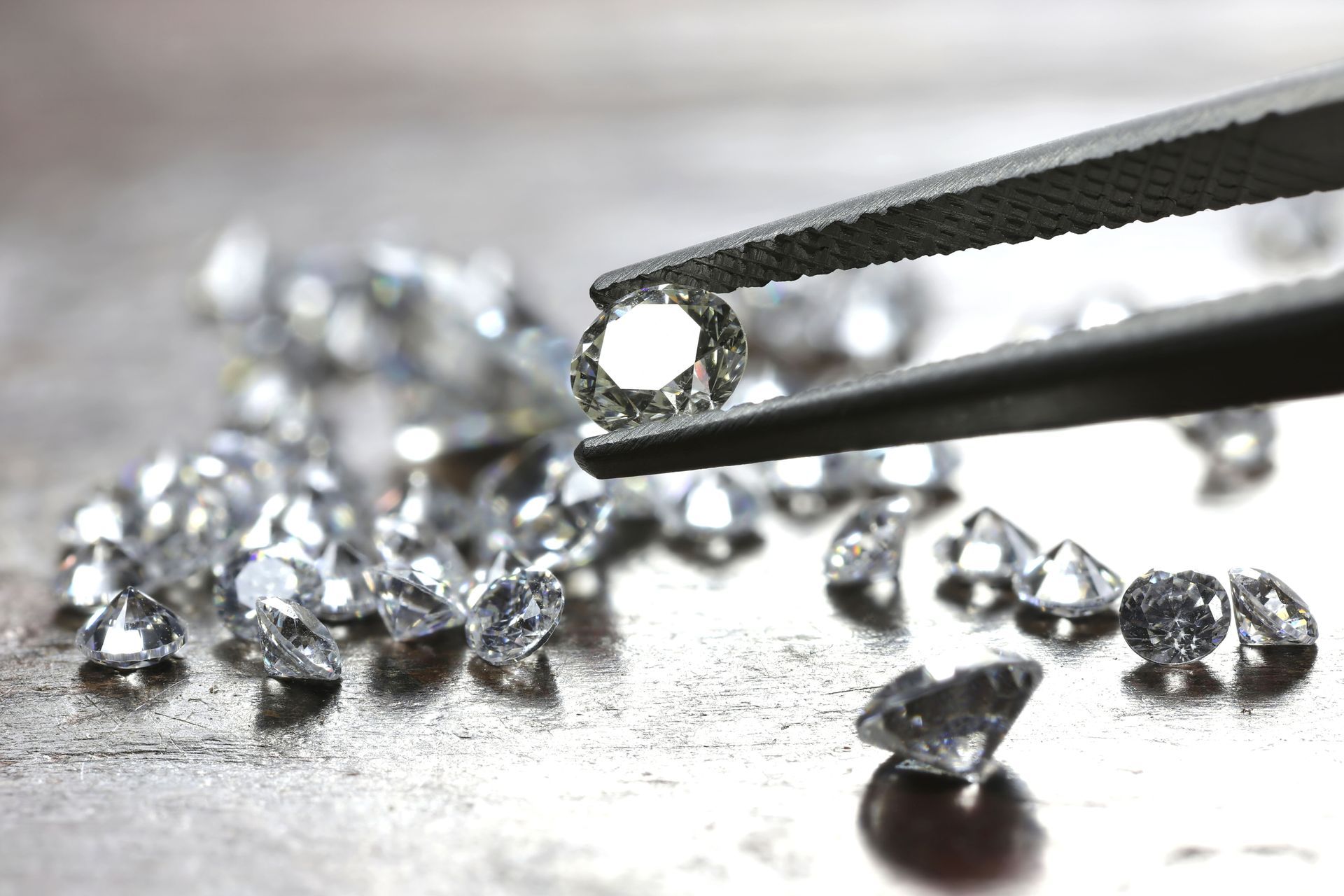
The appearance of a pear-shaped diamond depends on several factors, including its proportions, symmetry, cut quality, and clarity. The length-to-width ratio can influence whether the stone looks narrow and elongated or wider and rounder. Viewing different ratios helps buyers understand which silhouette they prefer rather than relying on a single standard.
Symmetry deserves particular attention because the pear cut combines a curved end with a pointed tip. Ideally, the two sides should appear balanced, and the point should align naturally with the stone's central axis. Uneven curves or an off-center tip may affect the diamond's overall appearance. Examining the stone from above can help reveal these details.
Light performance, symmetry, cut, color, clarity, and carat weight all influence a pear-shaped diamond’s appearance. Some stones display a dark bow-tie effect across the center. When exploring engagement custom jewelry, compare diamonds under different lighting conditions and consult a jeweler to find a stone that matches your preferences.
Personalizing the Ring for Everyday Wear
An engagement ring should be attractive while fitting comfortably into the wearer's lifestyle. Band width, setting height, metal choice, and the placement of the diamond can all influence how the ring feels and functions during daily activities. These considerations are particularly important for a pear-shaped stone because its point may require additional protection.
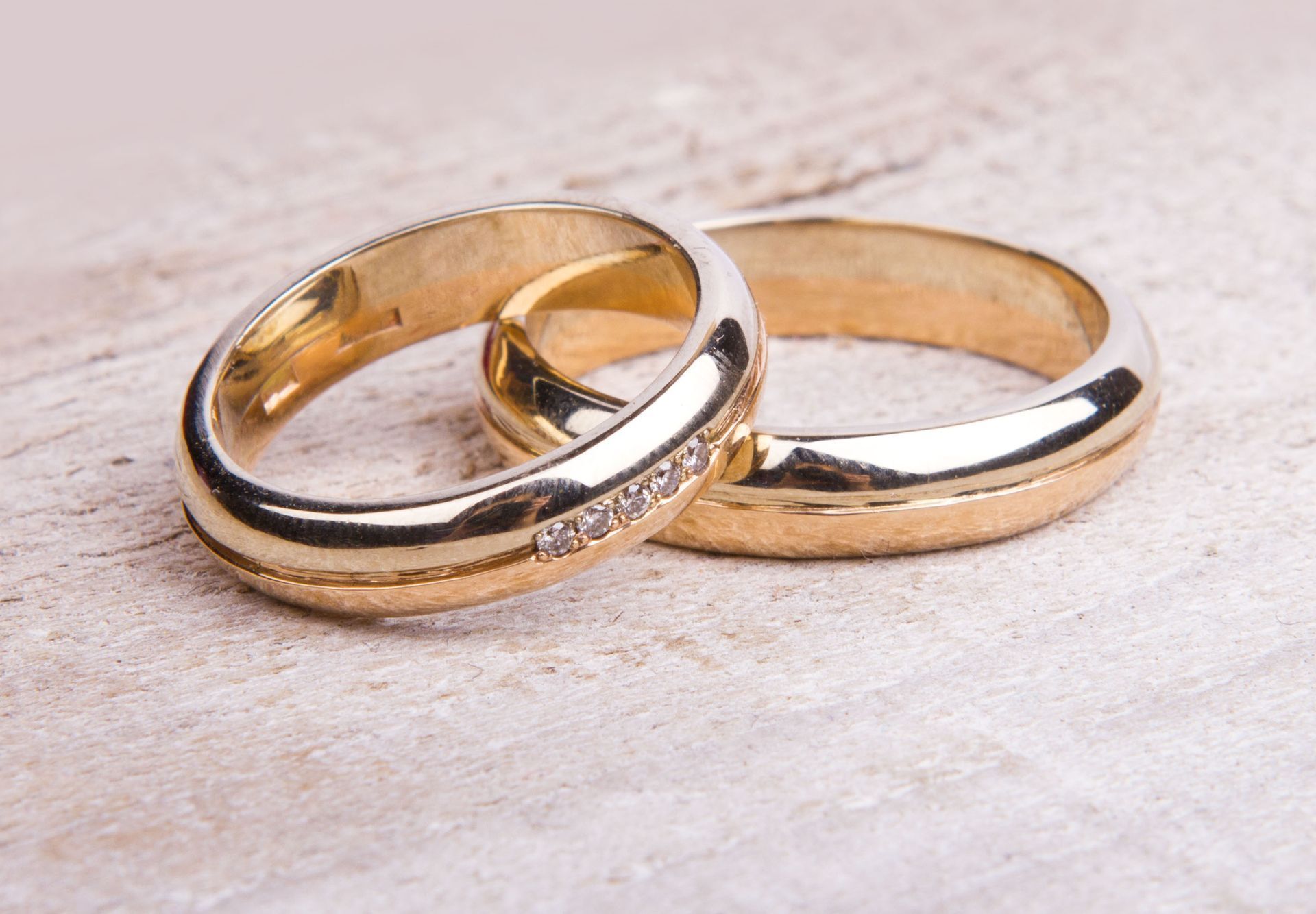
Metal choice can also change the ring's overall character. Yellow gold creates a warm, traditional appearance, while white gold offers a lighter, silvery finish. Rose gold provides a softer pink tone. The best option depends on personal preference, the desired contrast with the diamond, and how the ring may coordinate with other jewelry.
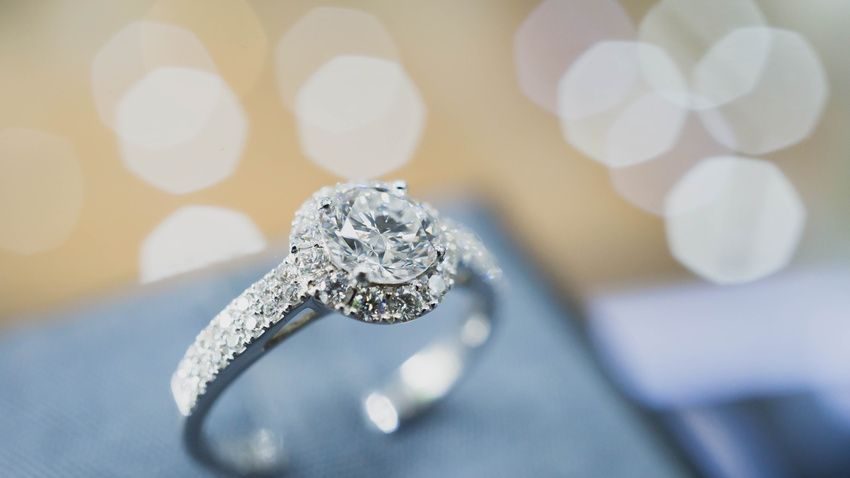
Personal details make a ring more meaningful, whether through accent diamonds, a halo setting, subtle band details, or engraving. Thoughtful engagement custom jewelry balances these elements with the wearer's preferences. A distinctive design can express individual style through its proportions, metal, and setting without requiring excessive embellishments.
Caring for a Pear-Shaped Engagement Ring
Regular care helps maintain a diamond's appearance and gives the wearer an opportunity to identify potential setting concerns. Lotions, soap, and everyday residue can collect around the stone and reduce its sparkle. Following the jeweler's cleaning recommendations can help keep the diamond looking bright without exposing the setting to unsuitable products or methods.
The pointed tip deserves particular attention during professional inspections. Although diamonds are hard, they can still chip under certain impacts, especially at vulnerable points or edges. A jeweler can examine the prongs, check the security of the stone, and identify wear that may require attention. The appropriate inspection schedule depends on how frequently the ring is worn and its specific construction.
Proper care helps preserve the beauty of engagement custom jewelry. Remove rings during activities involving impacts or harsh chemicals, store them separately, and schedule professional inspections. Choosing a protective setting and comfortable design helps maintain the diamond’s appearance and supports lasting everyday wear.
For couples in New York exploring engagement custom jewelry, the process is an opportunity to consider more than a diamond's shape. The right design brings together personal taste, practical details, and the qualities that make the ring meaningful to its wearer. East Islip Jewelers can be a starting point for exploring engagement ring options and discussing the details that matter most to you. Contact East Islip Jewelers to explore pear-cut engagement ring styles and find a design that reflects your story.